

Fatemi joins the Duke Neurosurgery faculty
Spine surgeon Parastou “Paras” Fatemi, MD, has joined the faculty of the Duke Department of Neurosurgery as assistant professor, effective August 30, 2024.

Amanda Jenson joins the faculty of Duke Neurosurgery
Amanda Jenson, MD, has joined the faculty of the Duke Department of Neurosurgery in the Pediatric Neurosurgery Division.

Congresswoman Foushee visits Duke Center for Brain and Spine Metastasis
Today, Congresswoman Valerie Foushee (NC-04), visited Duke University to meet with Mary Klotman, MD, executive vice president of health affairs at Duke University and dean of the School of Medicine, as well as leadership of the Duke Center for Brain and Spine Metastasis.

New therapy for glioma receives FDA approval
Duke brain tumor researchers are part of earliest collaborations that led to the development of the drug, shown to more than double progression-free survival

Incisionless HIFU surgery dramatically improves essential tremor
During Duke University’s 100th year, Duke Neurosurgery marks their 100th patient to receive this innovative procedure

Woman finally takes dream family trip after spine metastasis treatment at Duke
In early 2020, Heather Moffitt was busy planning a dream trip to Australia with her family.

Drs. Jones, Huie join the Duke Neurosurgery faculty
On July 1, 2024, Duke Neurosurgery welcomes two new faculty members and spine surgeons.

Duke researchers find breast cancer cells enter the leptomeninges via bone marrow and emissary veins
Duke researchers found that breast cancer cells are able to enter the leptomeninges, the cerebrospinal fluid (CSF) containing membranes that line the brain and the spinal cord, via bone marrow and the surface of emissary veins.
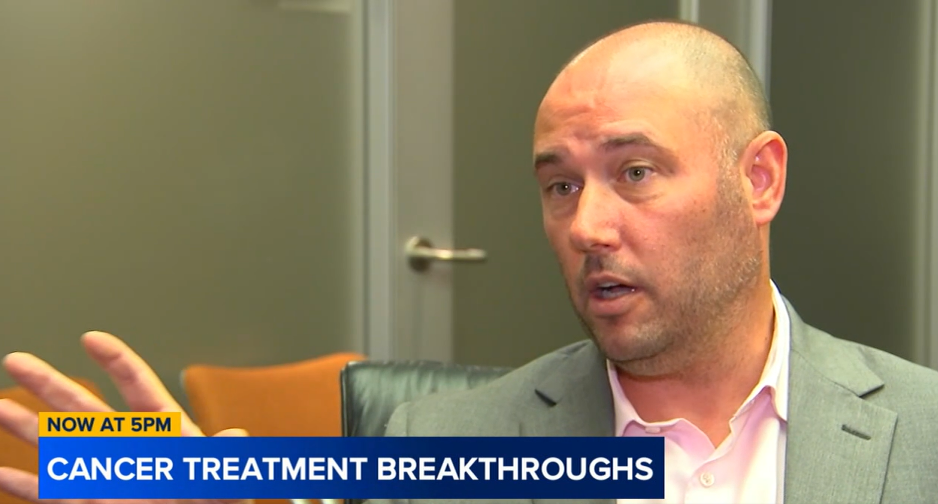
In the News: Advancements in metastatic cancer treatments offer new hope to patients
Pam Kohl remembers being told of her stage four metastatic breast cancer diagnosis.

Brain Spine Metastasis Month resolution introduced
Today, Congresswoman Valerie Foushee (NC-04) introduced a resolution designating the month of June as Brain and Spine Metastasis Awareness Month to recognize and reaffirm the commitment to increasing awareness of treatment options for people with cancer that has spread to the brain or spine.