
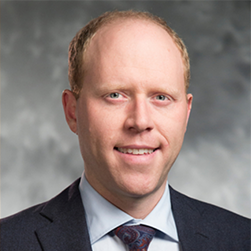
Southwell Awarded Prestigious Fellowship
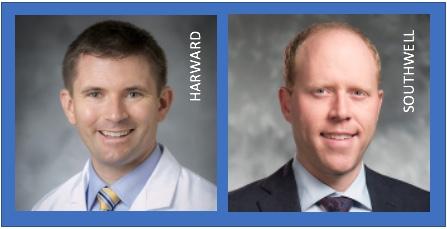
Derek Southwell, MD, PhD, assistant professor in the Duke Department of Neurosurgery, has been awarded the Klingenstein-Simons Fellowship Award in Neuroscie
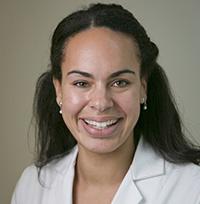
Bias in brain injury: A new study
Socioeconomic Factors Appear to Influence How Brain Injuries are Treated
Race, geography and payment status were associated with treatment withdrawal
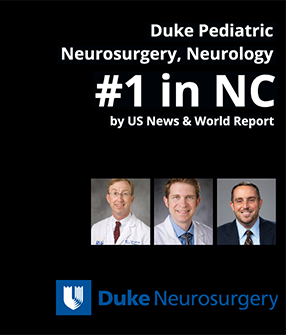
Duke Tops in NC for Pediatric Neurosurgery
Duke Children’s was the highest ranked for neurology and neurosurgery in North Carolina in the most recent rankings by US News & World Report.
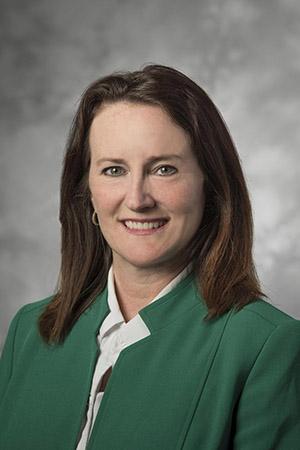
Kathy Tobin Named to Leadership of National Society
Duke Neurosurgery Chief Administrator Kathy Tobin has been named chair of the Education Committee for the Neurosurgery Executives' Resource Value & Education Society (NERVES). This appointment follows previous appointments to Southeast Regional Director of the society and the Liaison to the Practice Management Committee of the AANS, roles she still holds.
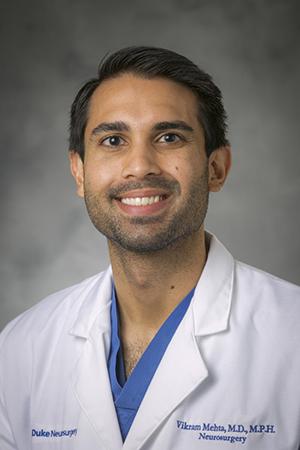
Vikram Mehta Receives Grant from NC Spine Society
Fourth year Neurosurgery resident Vikram Mehta, MD, has been awarded a grant from the North Carolina Spine Society. The grant wlll fund research for Mehta's research, Tethering in the Prevention of Proximal Junctional Kyphosis After Adult Spinal Deformity Surgery.

Andrew Cutler Receives Snyderman Award
The Institutional Committee for Graduate Medical Education has selected Andrew Cutler, MD, a fifth year resident in Neurosurgery, as the recipient of the annual Ralph Snyderman, MD, GME Research Award. Established in 2004, the award recognizes excellence in graduate medical research.

Pride Month: A Message from Dr. Allan Friedman
Pride Month commemorates the years of struggle for civil rights and equal justice under the law for the LGBTQ community. June was designated Pride Month to pay homage to the Stonewall uprising in June 1969, after police raided the Stonewall Inn, a gay club in New York City.
Duke Neurosurgery Faculty Show Appreciation to Neuroscience Nurses
To honor nurses during Neuroscience Nurses Week 2020, Duke Neurosurgery faculty take time to say thank you in this video.
A Review: Interneuron transplantation as a therapy for epilepsy
Current surgical therapies for epilepsy, such as brain resection, laser ablation, and neurostimulation, target epileptic networks on macroscopic scales, without directly correcting the circuit-level aberrations responsible for seizures. The transplantation of inhibitory cortical interneurons represents a novel neurobiological method for modifying recipient neural circuits in a physiologically corrective manner.
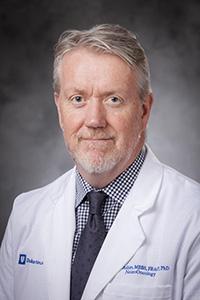
David Ashley Awarded Distinguished Professorship
Duke University School of Medicine has awarded the Rory David Deutsch Professor of Neuro-Oncology distinguished professorship to David Ashley, MBBS, PhD. Ashley is a Duke Neurosurgery faculty member and director of the Preston Robert Tisch Brain Tumor Center at Duke.