
Overview
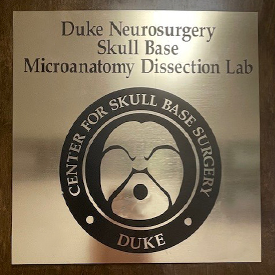
The Fukushima Skull Base Lab is a space dedicated to enhancing the future of neurosurgery by honoring Takanori Fukushima's legacy of technical prowess and brilliant insight.
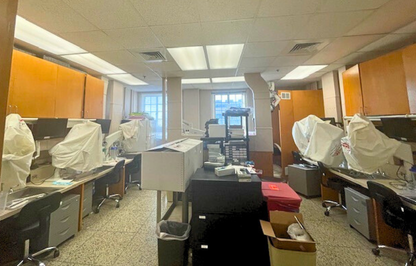
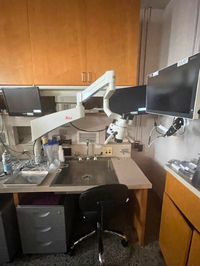
Within the lab, trainees are able to utilize tools and instruments similar to those in the operating room for a training environment that is as realistic as possible. This includes specialized education opportunities that improve the overall understanding and care of complex skull-base pathologies.
The lab is used by trainees in both Duke Neurosurgery and Duke Head and Neck Surgery and Communication Services.
Lab Location
200 Trent Drive
Duke South - Room 4509
Blue Zone
Durham, NC 27710
Education
Upcoming Educational Events
November 21, 2025
Hemicraniectomy
Surgical Coaching Program
Meryl Severson, MD & Neurosurgery PGY-2s
November 24, 2025
Pterional Craniotomy
Surgical Coaching Program
Hazem Ahmed, MD, PhD & Neurosurgery PGY-3s
Skull Base Approaches Utilizing Aesculap AEOS Robotic Exoscope
October 4, 2025
Suboccipital Craniotomy
Surgical Coaching Program
Herbert Fuchs, MD, PhD & Neurosurgery PGY-2s
October 6, 2025
Retrosigmoid Craniotomy
Surgical Coaching Program
Steven Cook, MD & Neurosurgery PGY-3s
September 24, 2025
11th Annual Endoscopic Sinus and Skull Base Course
September 5, 2025
Posterior Cervical Decompression and Fusion Session
Surgical Coaching Program
December 10, 2024
Cadaver Lab: Elite Approach and Transcavernous Approach
Fukushima Memorial Symposium
November 16, 2024
About Takanori Fukushima
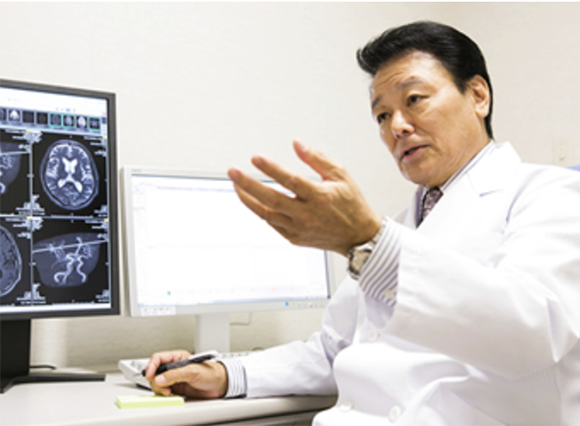
Takanori Fukushima, MD, was a a giant in the field of neurosurgery and a consulting professor of neurosurgery at Duke University from 1999 until his death in 2024.
Dr. Fukushima established an international reputation as a highly skilled technical neurosurgeon. He was known for his brilliant insights in treating neurosurgical diseases and for being a master of cranial micro neurosurgical techniques. Beyond this technical prowess, Dr. Fukushima was known as a highly compassionate neurosurgeon, comforting patients with devastating neurological diseases.
His enthusiasm was infectious. He organized workshops teaching skull base surgical techniques around the world. Surgeons attending these workshops were inspired to continue to improve their surgical skills and knowledge.
With his passing, neurosurgery lost a great master surgeon, physician, and colleague. Duke Neurosurgery honors his legacy by training the future of neurosurgery in the lab bearing his name.