

Neurotechnology
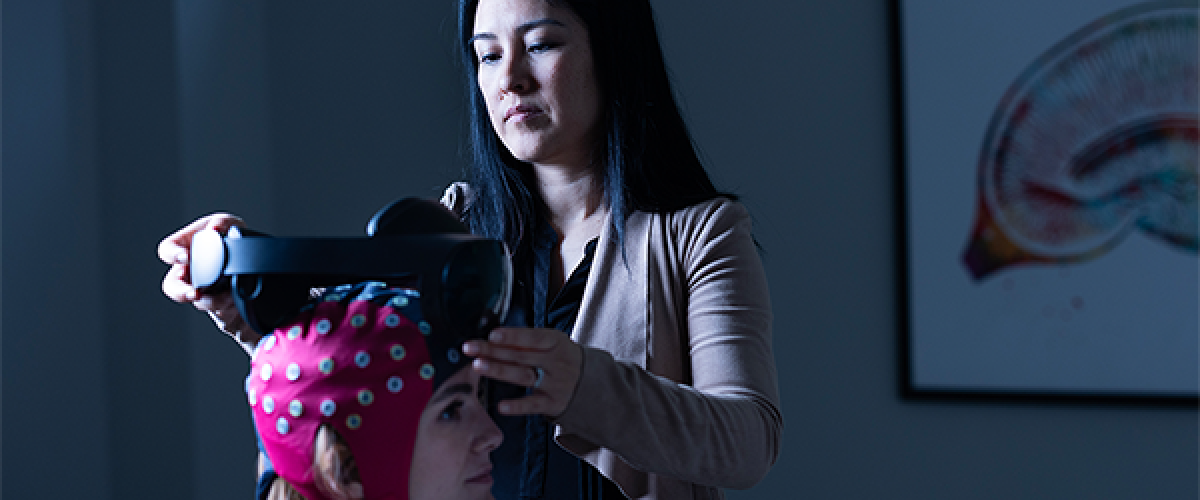
The things that make us human
People affected by PTSD are besieged by memories that cause tremendous anxiety and traumatic brain injuries can result in long-term memory deficits.
Duke Neurosurgery faculty member Nanthia Suthana, PhD, is doing remarkable work in the complex processes that drive memory and emotion, and in developing therapies using neurostimulation to treat disorders that involve those processes.
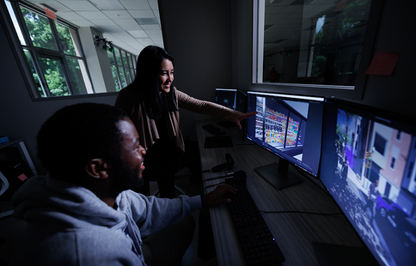
Suthana and her team are conducting clinical trials of a neural implant to see if it can interrupt the spike in brain waves associated with PTSD.
She’s conducting research to monitor brain activities at the level of single neurons, which provides an extraordinary window into how the brain malfunctions in conditions such as seizure disorders.
Suthana's team is also exploring closed-loop wearable neurotechnology to enhance memory following traumatic brain injuries.
She came to Duke because it offers a wealth of potential collaborators across a multitude of disciplines — not only in the School of Medicine but also in the Pratt School of Engineering and across campus — as well as a large patient population and the Durham Veterans Affairs Medical Center right next door.
Duke Center for Neurorestoration
Home / Stroke Recovery / Epilepsy / Traumatic Brain Injury / Movement Disorders / Neurotechnology / Brain Tumor Recovery / Spinal Cord Stimulation / Support the Research / Collaborators